Why do I always keep an excuse ready to get out of plans?
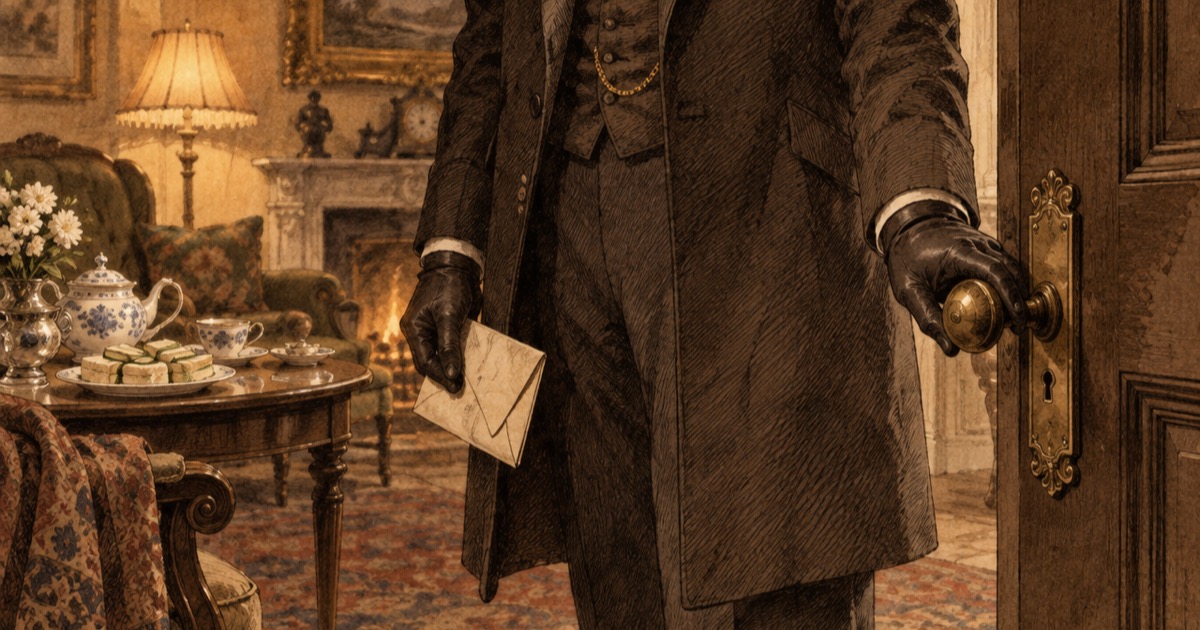
You agree to meet friends for drinks on someone's birthday. Before you choose what to wear, the justification is already formed: an early morning ahead, a sibling who might need help, a train that cannot be missed. In most cases, these reasons never come into play. Yet going without them feels impossible.
The permanent invalid
In Act I of The Importance of Being Earnest (1895), Algernon describes his method to Jack. He maintains a friend in the country who is perpetually sick:
"I have invented an invaluable permanent invalid called Bunbury, in order that I may be able to go down into the country whenever I choose."
— Oscar Wilde, The Importance of Being Earnest, Act I
When a dinner party looks tedious, Bunbury's health declines. Algernon is so satisfied with this arrangement that he turns the name into a verb.
An exit, not a deception
Wilde presents this as comedy, and it is. But consider what Bunbury actually accomplishes. It allows Algernon to enter a room while knowing he can leave it.
A prepared excuse functions similarly. By the start of the play, Algernon has practiced this for years, and some evenings feel manageable only because the path out is already secured.
Years of Bunburying
Keeping an exit open reshapes the space. You stay near the door, and you never fully settle in.
What is the purpose of keeping that exit if I arrive anyway, and what would the evening look like if no exit existed?
Epimelea is an app built around the existential school. The conversation carries over from one meeting to the next. The archive is encrypted on the device and belongs to the person who wrote it.
About the app: an AI therapist for long-term therapy
This page is about a school of psychotherapy. It is not medical advice and not emergency help. If you are in danger right now, contact your local emergency number, or find a helpline in your country at findahelpline.com.


The first two meetings are free.