Why do I feel more alive when I have an enemy?
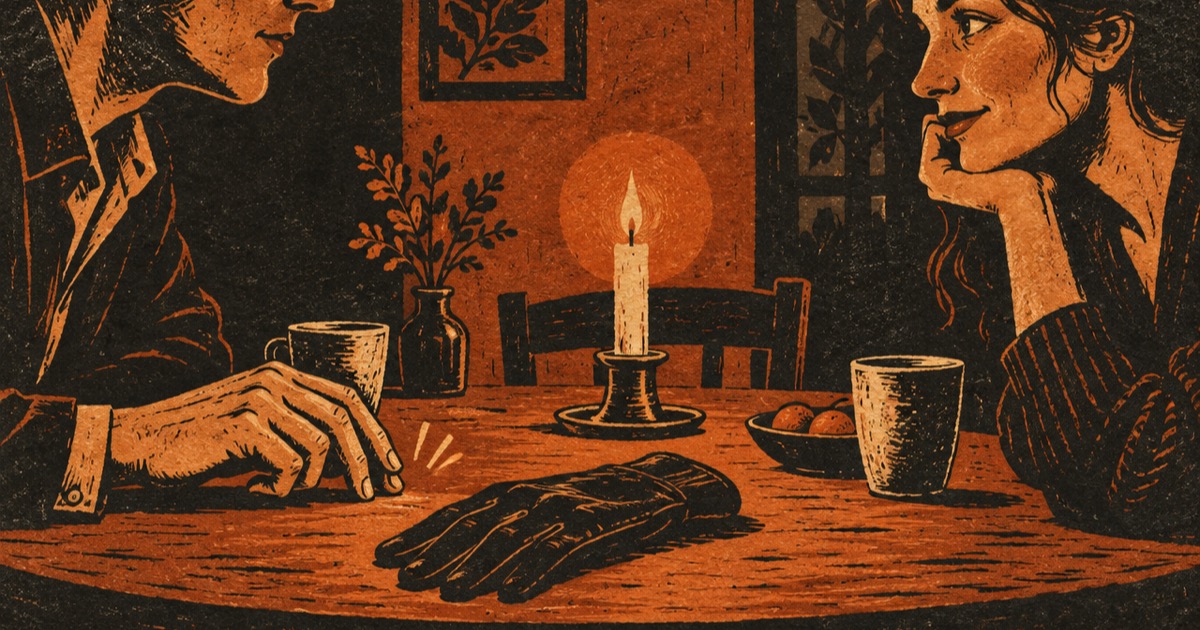
A rival at work disappears. The tension in meetings vanishes, but so does a certain clarity. You spent months knowing exactly why you were there: to prove him wrong. Now that he is gone, you feel blank, as if the wall you had been leaning on was gone.
A diary entry
In Lermontov's novel, Pechorin discovers that several young men are plotting against him. He records his reaction in his diary:
"I am very glad; I love enemies, though not in the Christian sense. They amuse me, stir my blood"
— Mikhail Lermontov, A Hero of Our Time, "Princess Mary"
He lists what an enemy gives him: staying on guard, catching every glance, reading every intention. Then he adds, "that is what I call life."
The shape an enemy gives
Pechorin does not seek out conflict, but he welcomes it when it arrives. An opponent provides a temporary answer to the question of identity: he is the one who stands against the rival. As long as the fight continues, that question stays closed. When the struggle ends, the question returns.
The pleasure of disliking others has its own page, and the drive to win arguments is covered here. This is specifically about the need for an external force to push against.
Without a rival
Lermontov allows Pechorin to admit this need without judgment. Who do I become when there is no one left to fight?
Epimelea is an app built around the existential school. The conversation carries over from one meeting to the next. The archive is encrypted on the device and belongs to the person who wrote it.
About the app: an AI therapist for long-term therapy
This page is about a school of psychotherapy. It is not medical advice and not emergency help. If you are in danger right now, contact your local emergency number, or find a helpline in your country at findahelpline.com.